Lactate Test Case Study: Garmin Zone 2 Was 17 bpm Too Low
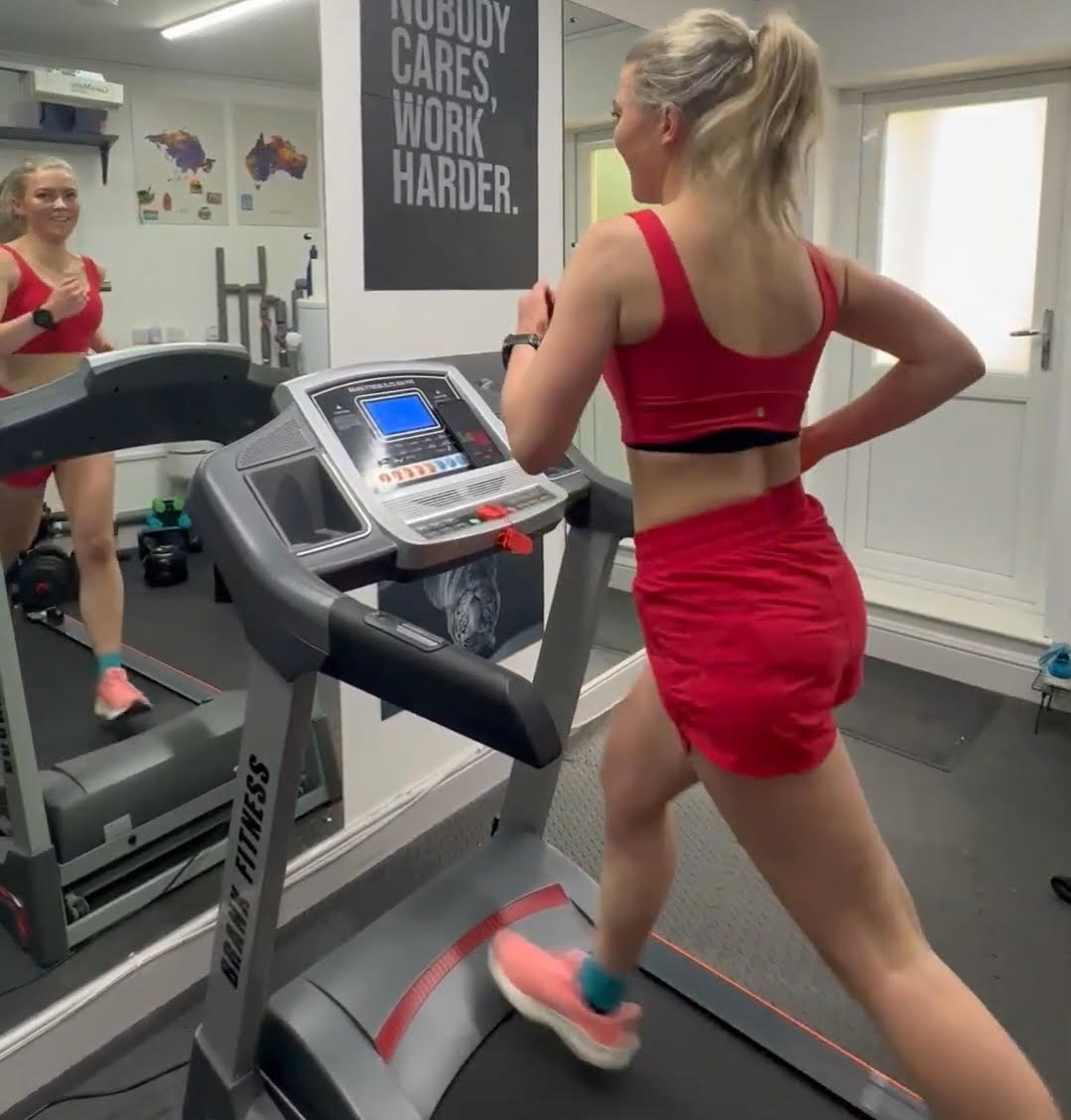
Tayla had spent years targeting an easy run heart rate of 120 to 140 bpm. Her Garmin told her that was Zone 2. She walked every hill to keep her HR under the ceiling. She slowed her pace on flats when the number climbed. She finished long runs feeling like she had managed her watch more than she had trained.
A 45 minute lactate threshold test at our South Wales testing centre showed her Zone 2 actually capped at 157 bpm, not 140. Her watch was wrong by 17 bpm.
There's also a 60 second reel version of this story on Instagram if you prefer video (coming soon).
Tayla's training before the test
Tayla had been running for over 3 years. Three runs a week, three gym sessions. A typical week for a busy professional who runs because she enjoys it and wants to be fit, not necessarily because she's chasing a marathon PB.
The Garmin had been her zone authority the whole time. When she set it up, the watch had picked an estimated max HR of 188 bpm (the standard 220-age formula) and built her zones around it. Zone 2 came out at 113 to 132 bpm. She'd nudged her own target up slightly to 120 to 140 based on how it felt.
Her frustration was very specific. On hilly long runs around South Wales, every climb forced her heart rate above 140 within 30 seconds. She would slow to a walk and let her HR come back down. A 90 minute run in the hilly area where she lives would include eight or ten walk breaks. Frustrating.
The pace on the flat was the other tell. To hold her HR under 140 on level ground, she had to run at around 10 km/h. As someone who had been active for most of her life that felt slow to her body, but the watch said it was right.
She had read enough to suspect something was off but had no way to confirm it.
What the test actually involves
Lactate threshold testing has a reputation for being over-elaborate and clinical. It is not. The test we ran for Tayla took 45 minutes from arrival to departure.
The format is a ramp test on a treadmill. After a 10 minute warm up at an easy pace the speed increases in stages, each one lasting four minutes. At the end of each stage, we take a small blood sample from the earlobe (a tiny prick, barely felt) and run it through a lactate analyser. We do this for five to eight stages depending on the athlete, until blood lactate climbs steeply enough to identify both threshold points clearly.
For Tayla, the stages ran from 9 km/h to 17 km/h. Her samples showed lactate rising slowly through the early stages, with the first clear inflection at 12 km/h and a second steeper rise after 14 km/h.
Tayla's lactate curve
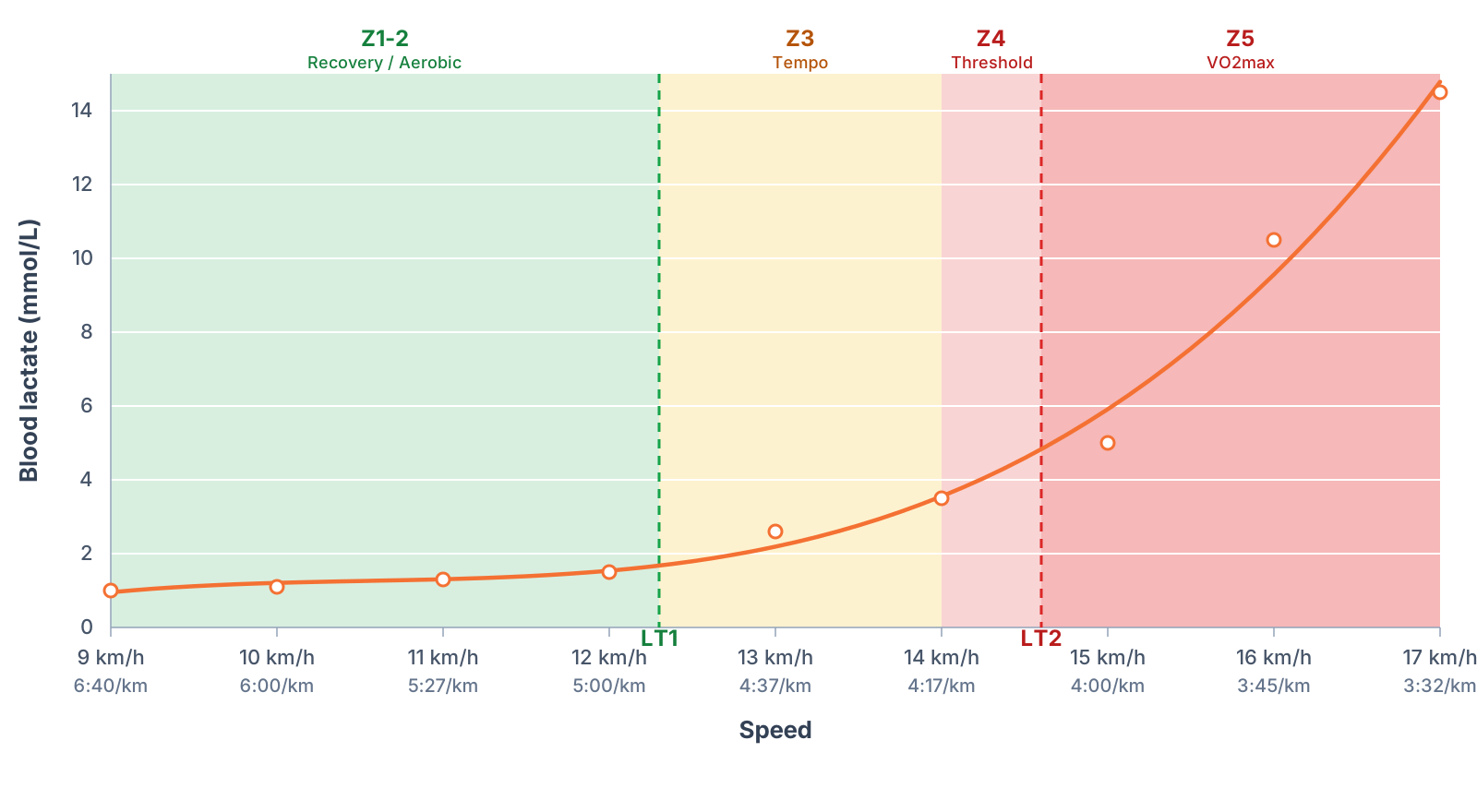
Here is what came back:
- LT1: 157 bpm at 12.3 km/h. The point where lactate first starts to rise above baseline. The top of her real Zone 2.
- LT2: 172 bpm at 14.6 km/h. The point above which lactate accumulates significantly faster than her body can clear it. The top of her sustainable threshold pace.
The gap between what Garmin had been telling her and what her physiology actually said was the entire reason she had been training so cautiously for so long.
Why the watch was so wrong
Garmin's default zones use a percentage of estimated max heart rate. With max set to 188 (the formula prediction), Zone 2 came out as roughly 113 to 132 bpm. Tayla had nudged that up to 140 based on feel. Her actual LT1 sat at 157. The watch was working exactly as designed. The design was the problem.
The 220-age formula has a standard deviation of around 10 to 12 bpm across adults. For a meaningful share of people, it is off by enough to matter. Tayla's actual max was 13 bpm higher than the formula predicted.
We covered the underlying physiology in more detail in Your Zone 2 Heart Rate Is Probably Wrong (Here's How to Tell). The short version: percentage of max HR formulas cannot capture individual variation in where lactate thresholds actually sit, and watches that rely on them get it wrong in different directions for different physiologies.
We recalibrated her Garmin before she left
Once we had her LTHR of 172, we entered it directly into her Garmin via the Connect app. The watch recalculated every zone around her real numbers in under 90 seconds. Her Z2 ceiling moved from 140 to 155 bpm, much closer to reality.
For the full walk-through, see How Your Lactate Threshold Test Maps to Garmin's 5 Heart Rate Zones, which covers the one setting to change so your watch rebuilds every zone around your real numbers.
She also noticed something else worth flagging. Her watch's wrist heart rate readings had been lagging behind her actual heart rate at higher intensities. This is a common issue with optical wrist HR sensors on every major brand, not Garmin specifically. For training that depends on accurate zone information this does matter.
What changed in the next two weeks
The Sunday after the test, Tayla went out for a hilly long run she had done dozens of times. With her ceiling now at 155 instead of 140, she ran every hill. Her HR climbed into the high 140s and low 150s on the climbs, dropped on the descents, and stayed inside her real Zone 2 throughout. She finished feeling like she had trained well but was still back to 100% the next day, how an easy run should be.
Her easy pace on the flat moved from around 10 km/h to around 12 km/h. Over a 90 minute run, that is 3 extra kilometres covered without working harder. This gain in efficiency is very important to her as she works long hours Monday to Friday.
Disclaimer
Tayla is my wife. She was one of the first people I tested and she now retests every 8 to 12 weeks so I can track how her physiology changes with training. The numbers in this post are from her first session.
I will be posting more from her subsequent sessions. Using the data from the first test and taking into account her goals (a Hyrox race or a half marathon), she was able to programme her training effectively and discover what works specifically for her by retesting after a training block.
Testing in South Wales
We test athletes at Team Rees in Caerphilly. Cardiff is 20 minutes by car, Newport is 25, Bridgend and Pontypridd under 30. Athletes of all levels drive in, do the 45 minute test, get preliminary results on the day with a full report a few days later.
If you have been targeting a Zone 2 heart rate range for over a year and it has never felt right, this is the test that tells you whether it was you or your watch.
Book a lactate threshold test at Team Rees, Caerphilly.
For more on whether testing is the right move for where you are in your training, read Do You Actually Need a Lactate Threshold Test? and What's Actually in a Lactate Threshold Test Report.
Ready to find your lactate threshold?
Book a test at one of our partner gyms and get a personalised training zone report.
Book a Test